
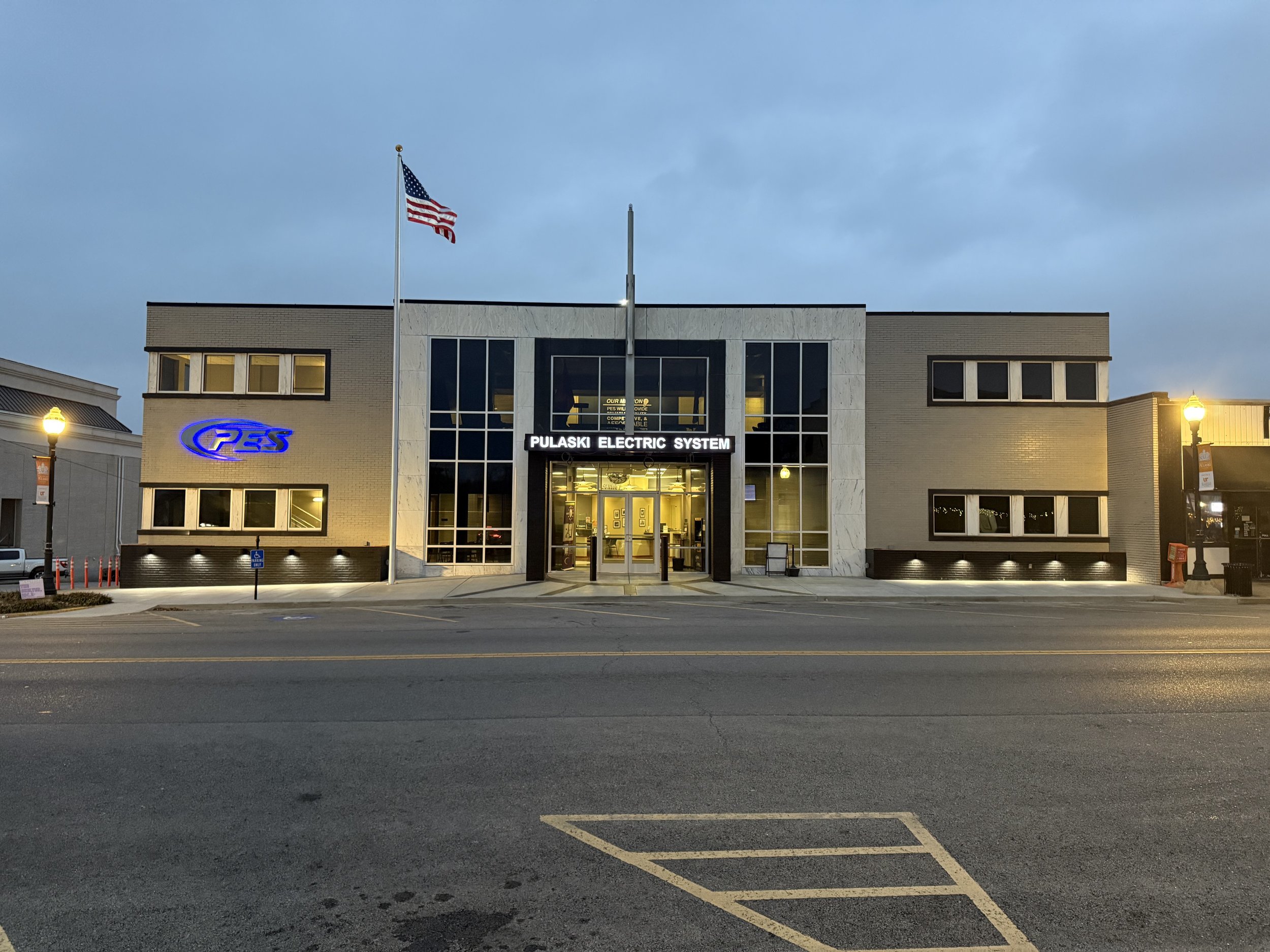
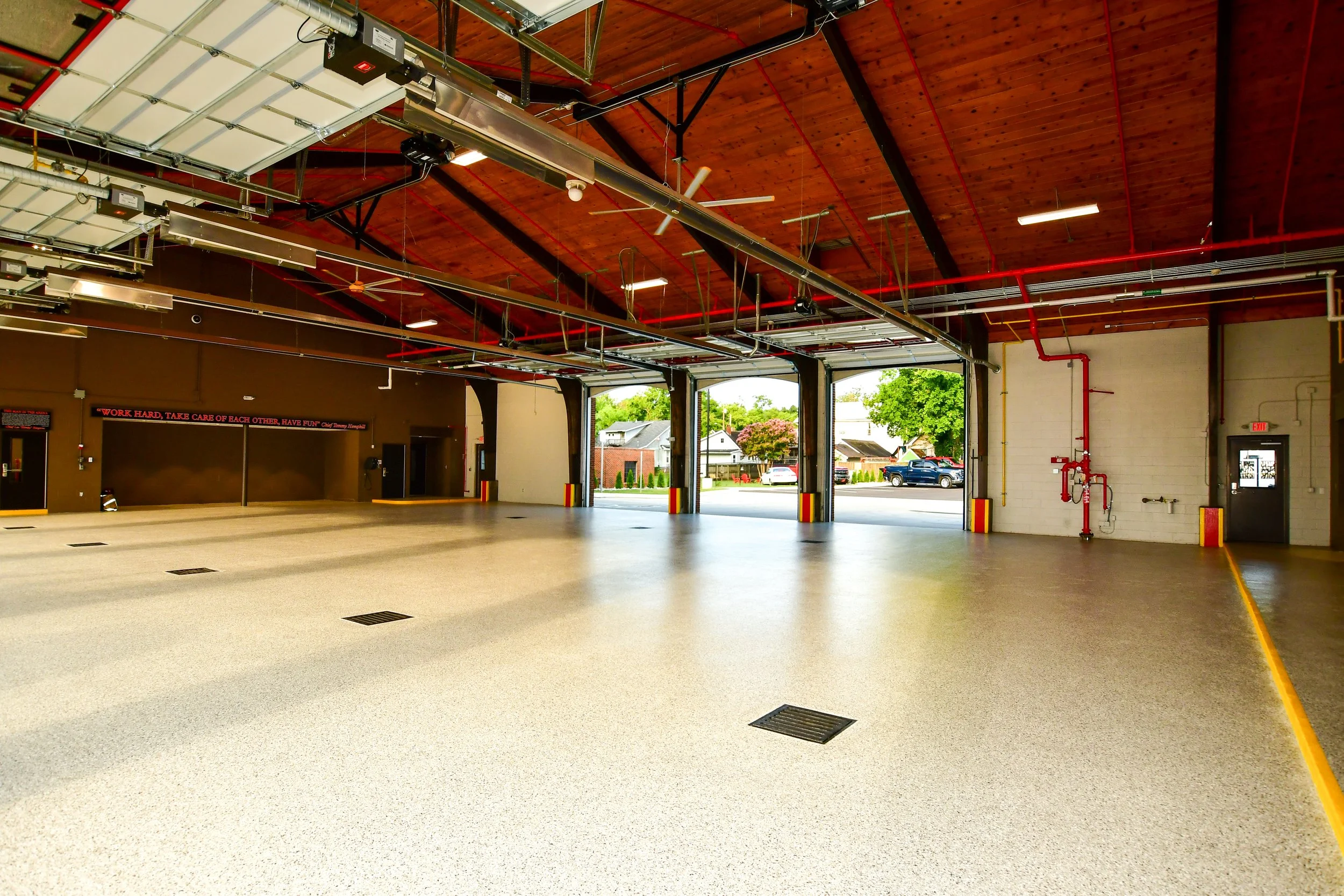
A school renovation affects students who walk its halls every day. A fire station supports the people who respond when their neighbors need help. A municipal building connects residents with essential services.
Public construction projects carry responsibilities that extend beyond the property line. They represent an investment in the people who live, work, and grow within a community. Understanding that impact helps guide decisions from the earliest planning conversations through construction and long-term use.
Start with the People Who Will Use the Space
Before discussing square footage or finishes, project teams need to understand what a facility must accomplish. Where are employees running out of room? What makes accessing services difficult? How might the community’s needs change?
Staff members and residents bring perspectives that drawings alone cannot provide. The EPA’s Public Participation Guide explains that meaningful public input gives decision-makers more complete information and helps them understand community priorities.
For a building project, those conversations can help identify practical needs, such as clearer entrances, more functional meeting spaces, or layouts that improve daily operations.
Make the Investment Work for the Long Term
Public budgets require careful decisions. Every feature should be evaluated against the facility’s purpose, available funding, and future operating needs.
That means looking beyond the initial construction price. Durable finishes, maintainable equipment, and adaptable spaces deserve consideration alongside upfront costs. A material that costs less today may require more frequent replacement, while an overly complicated system may place additional demands on maintenance staff.
The University of Kansas Community Tool Box emphasizes that successful community facilities should remain accessible, useful, adaptable, well maintained, and financially sustainable. Those priorities provide a useful framework for evaluating construction decisions.
Plan Around the Community’s Daily Life
The need for public services continues during construction. Schools may remain occupied, municipal employees may need access to their offices, and neighboring businesses still need customers to reach their doors.
Depending on the project, construction planning may involve phased work, temporary entrances, coordinated deliveries, or scheduling disruptive activities around facility operations. Clear communication helps staff and visitors understand what to expect as work progresses. These details influence how people experience the project long before they see the finished building.
Build with the Next Generation in Mind
Our roots in the community shape how we approach this work. We understand that public facilities become part of everyday life: places where children learn, employees serve their neighbors, and families turn for support. Our responsibility is to work closely with owners and design teams, understand those needs, and help translate them into well-executed construction.
A successful public project meets its scope, budget, and schedule while serving its intended purpose. Its lasting value is found in the opportunities it creates and the people who will depend on it for generations to come.
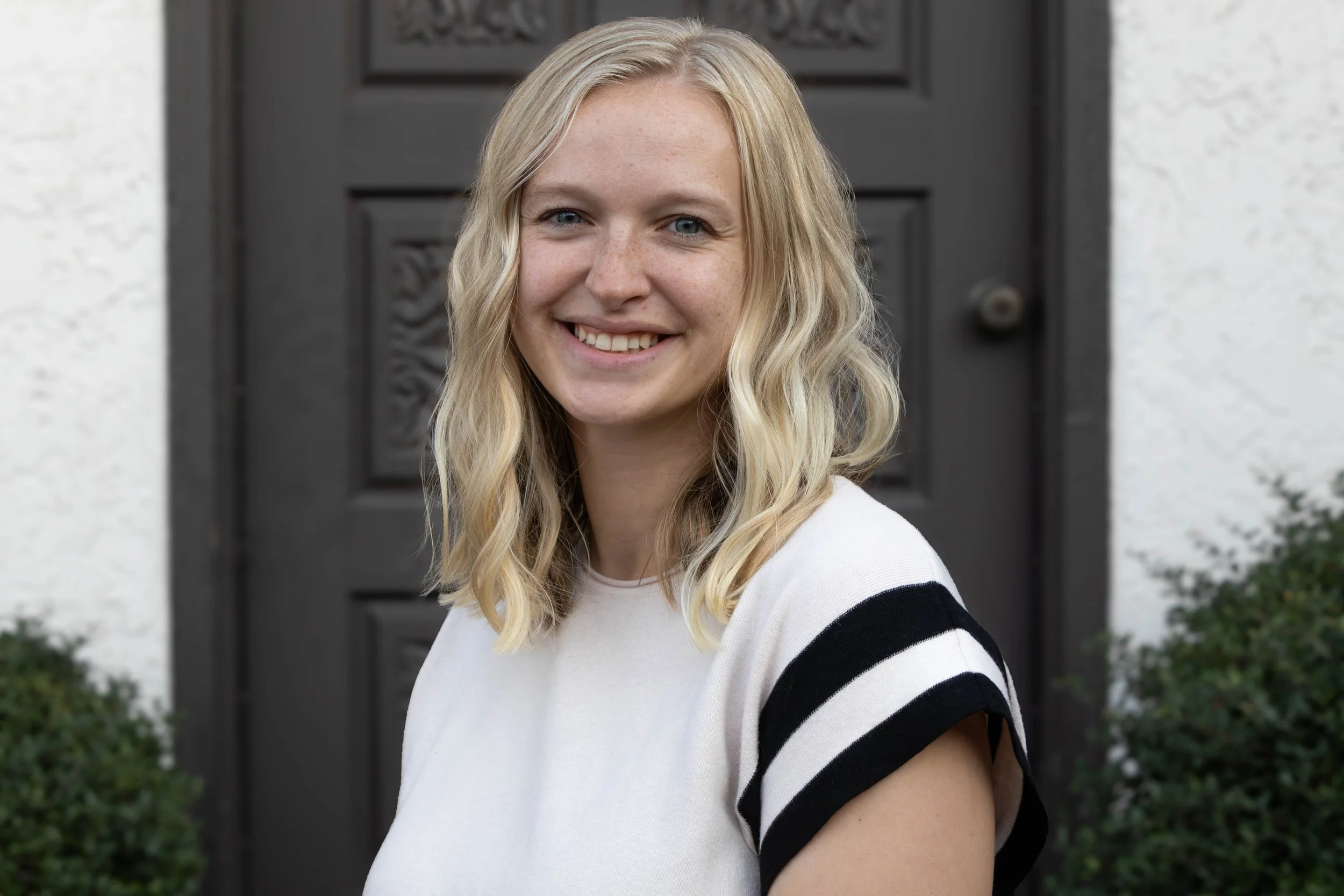
Written by Dakota Ortega
Dakota serves as our Marketing Coordinator. She attended The University of Tennessee Southern where she graduated early, earning her BS in Business Administration - Management in December of 2022. She earned her MBA from The University of Tennessee Southern in May of 2024. Dakota is dedicated to leading and directing Brindley Construction’s marketing needs with creativity at its forefront. She is an active member of Rotary Club of Pulaski and Giles County Chamber Diplomats.